Introduction
In today's hectic globe, life-threatening emergency situations can strike at any moment. Whether you're a health care specialist, a teacher, or just a person who wants to make a difference, having Basic Life Support (BLS) qualification is essential. This qualification empowers individuals with the abilities and expertise necessary to act swiftly and efficiently in emergency situation situations. In this detailed overview, we'll cover whatever you need to learn about getting your BLS accreditation, from recognizing standard vs advanced life support to mastering public defibrillator usage.
Your Course to BLS Certification: What You Required to Know
Understanding BLS Certification
BLS qualification is a course developed for laymans and experts alike that teaches essential strategies for reacting to cardiac arrest and other emergencies. It incorporates recognizing signs and symptoms, performing mouth-to-mouth resuscitation (cardiopulmonary resuscitation), making use of an Automated External Defibrillator (AED), and recognizing health center codes and protocols.
Who Must Obtain Certified?
Anyone can benefit from BLS accreditation; nevertheless, first aid and cpr courses near me it is especially important for:
- Healthcare providers Emergency responders Educators Caregivers
Obtaining this certification is not almost meeting work demands; it has to do with being prepared to save lives.
The Importance of Basic vs Advanced Life Support
When diving into the world of emergency situation treatment, it's important to understand the distinction between basic life support (BLS) and advanced life assistance (ALS).

Defining Basic Life Support
BLS commonly includes:
- Performing chest compressions Providing rescue breaths Using an AED
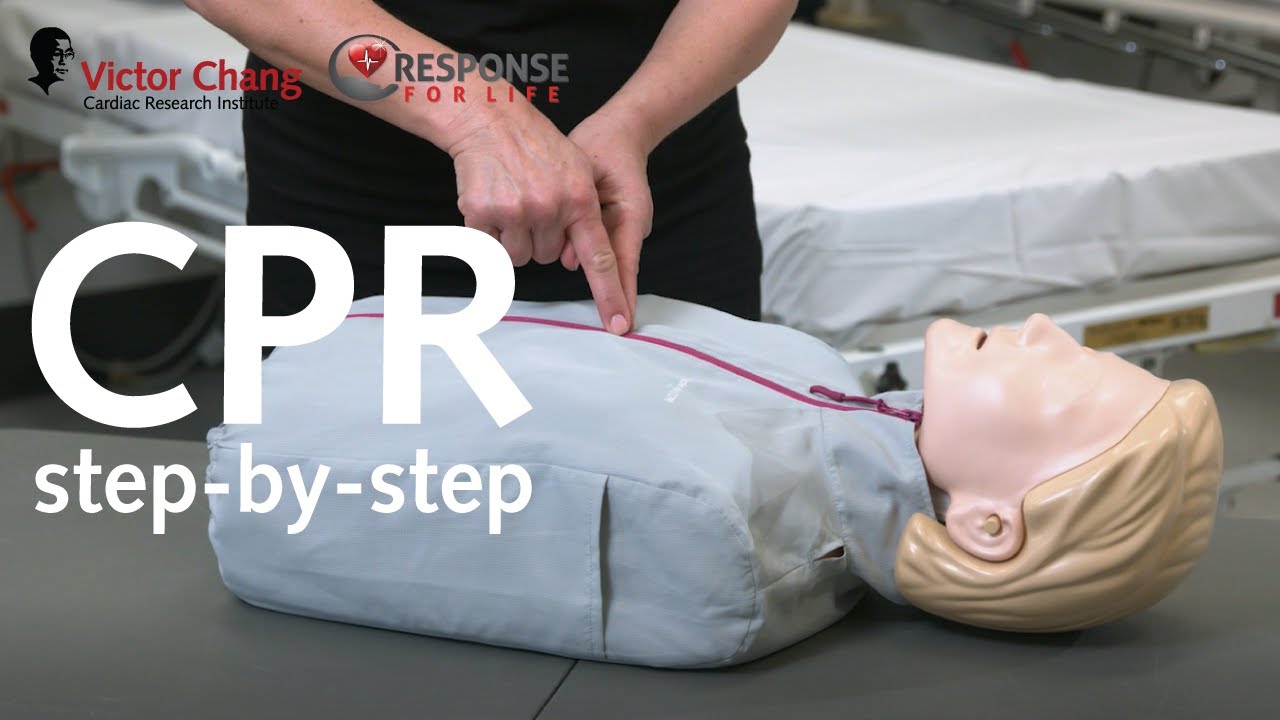
These techniques are foundational skills that everyone should discover. They offer prompt assistance till more advanced medical assistance arrives.
What is Advanced Life Support?
ALS goes beyond the fundamentals and consists of:
- Drug administration Advanced airway management More facility treatments that call for specific training
While ALS is vital in intense healthcare facility setups, BLS furnishes people with the devices they require in day-to-day scenarios.
Checking Responsiveness: The Very First Step in Emergency Situation Care
One of the first actions you'll discover in your BLS training is examining responsiveness.
How to Inspect Responsiveness
Approach the individual: Guarantee your security prior to approaching them. Gently tremble their shoulder: Ask noisally if they are okay. Watch for signs of awareness: If there's no response, wage inspecting their breathing.Knowing just how to examine responsiveness can determine the next actions required in an emergency situation.
Identifying No Breathing: An Important Skill
Recognizing when somebody has quit breathing is critical for effective treatment.
Signs of No Breathing
Look for breast increase and fall. Listen for breath sounds. Feel for air on your cheek. advance first aidIf you recognize no breathing, it's time to call for help and start mouth-to-mouth resuscitation immediately.
Taking Switches on Compressions: Teamwork Saves Lives
In cases where multiple rescuers exist, taking turns on compressions can dramatically enhance survival rates.
Why It Matters
Continuous premium compressions are important during cardiac arrest interventions. Tiredness can bring about lowered efficiency in mouth-to-mouth resuscitation:
Switch every 2 minutes. Maintain depth at least 2 inches. Keep a rate of 100-- 120 compressions per minute.These aspects guarantee maximum blood flow while decreasing tiredness amongst rescuers.
Maintaining Calmness Throughout Emergencies
Staying calmness in demanding circumstances is simpler stated than done but vital when offering aid.
Strategies for Composure
Take deep breaths prior to intervening. Focus on the task at hand. Remember that every second counts-- act emphatically yet calmly.By maintaining composure, you raise your possibilities of executing effectively under pressure.
Public Defibrillator Use: A Lifesaving Skill
Automated Exterior Defibrillators (AEDs) are becoming much more common in public spaces-- knowing just how to use one can conserve lives!
Steps to Use an AED:
Turn on the AED device. Attach pads as shown by representations on pads or gadget screen. Follow voice motivates offered by the AED.Many individuals wait because of fear of making mistakes; however, these gadgets are developed with straightforward guidelines that lead you with each step.
Hospital Codes and Methods: What You Need To Know
Understanding healthcare facility codes and procedures can be indispensable during emergency situations-- particularly if you're working within medical care setups or helping professionals.
Common Hospital Codes
|Code|Implying|| ------|---------|| Code Blue|Medical emergency situation needing resuscitation|| Code Red|Fire alert|| Code Pink|Kid kidnapping|
Familiarizing on your own with these codes aids guarantee quick communication throughout crises.
FAQs About BLS Certification
1. What does BLS accreditation entail?
Answer: BLS accreditation covers essential lifesaving techniques such as CPR, use AEDs, and how to aid choking sufferers-- all vital abilities anybody may require throughout emergencies.
2. For how long does it require to obtain certified?
Answer: A lot of BLS training courses take around 4-- 6 hours depending on the provider yet may vary based upon class dimension or added components consisted of in training sessions.
3. Is on the internet training sufficient?
Answer: While online training may provide academic expertise, hands-on technique with managed sessions is vital for ability retention-- most companies call for functional evaluations as part of certification criteria.
4. How commonly do I require recertification?
Answer: Normally every 2 years; nonetheless, some employers may require even more constant updates based on transforming guidelines or business policies.
5. Can I take a training course without previous medical knowledge?
Answer: Definitely! Many courses provide especially in the direction of novices with no medical care history yet equip them with lifesaving skills needed for emergencies!
6. Where can I find accredited courses?
Answer: Recognized programs are offered via various companies such as American Heart Association (AHA), Red Cross, or regional neighborhood colleges-- guarantee they fulfill nationwide standards before enrolling!
Conclusion
Your path toward earning your BLS qualification equips you with vital abilities that might imply the difference in between life and fatality during emergency situations! From understanding just how basic vs sophisticated life support varies dramatically down-to-checking responsiveness accurately before continuing further-- each detail matters profoundly! By taking proactive steps like coming to be familiarized with public defibrillator usage alongside medical facility codes/protocols-- you'll not only improve individual confidence yet potentially save lives too!
So do not wait any type of much longer; embark on this rewarding journey today! Be prepared; due to the fact that having the ability to help others during defining moments genuinely makes all the difference!